Clemson Architecture Center (CAC.C)
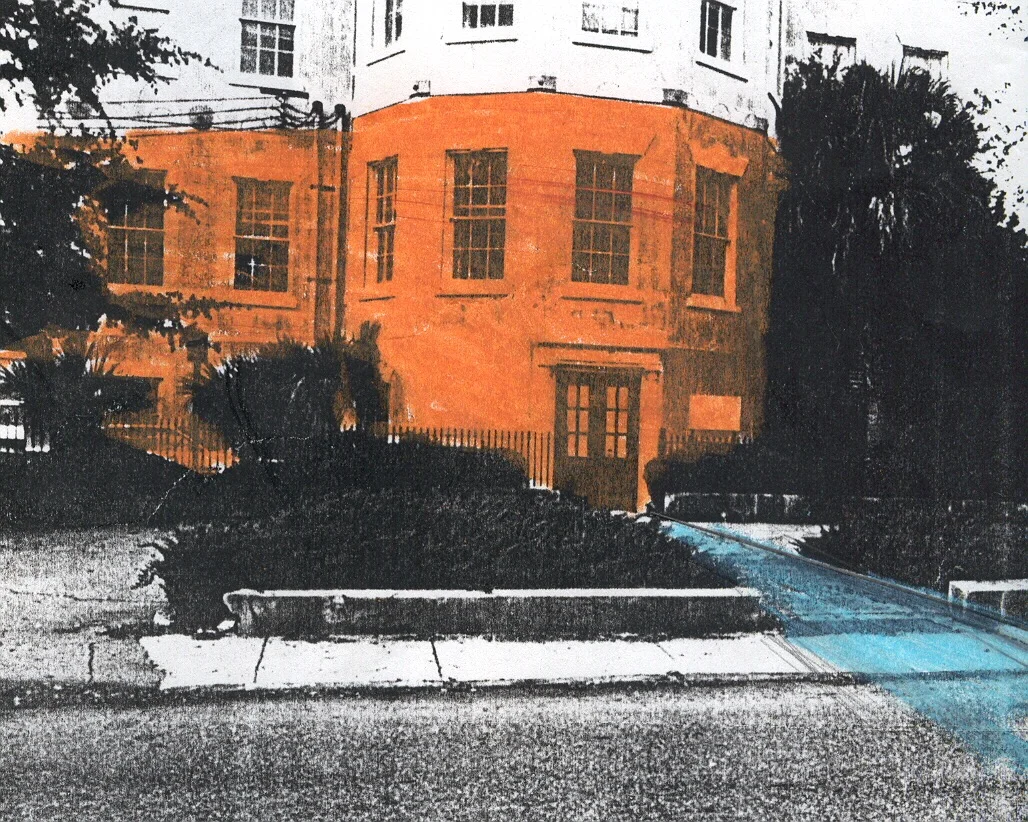
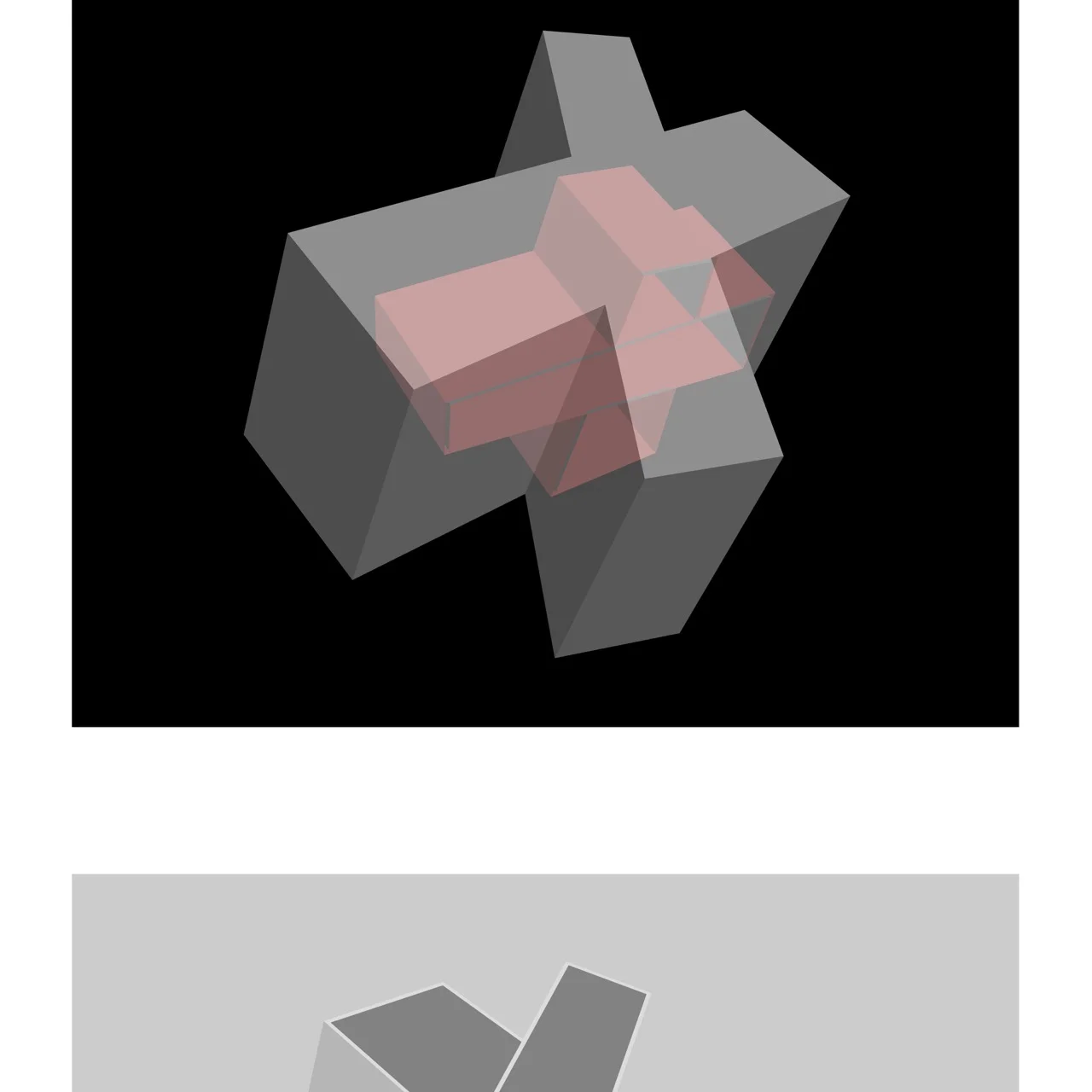
Conceptual design for an off-campus school of architecture located in Charleston, South Carolina.
3rd year undergraduate studio project / Clemson University School of Architecture, Charleston Program
Recentering Barcelona: A Center for Medicine and Technology
Team based urban design project located in L'Hospitalet de Llobraget, Spain / Columbia University GSAPP MSAUD program.
Software used to create imagery: Adobe Photoshop, Adobe Illustrator, and Microsoft PowerPoint
This project took place over a week period in and around Barcelona, Spain. Working with local city officials, urban designers, and architects, we set out to resolve and create new and exciting connections for a district of Barcelona experiencing tremendous growth in areas of medicine and technology. Upon creating detailed mapping systems of the area for greater understanding, we were charged with the task of examining and developing urban solutions in the form of pedestrian pathways, new hotels and medical centers, preservation and re-use of historic structures, and growth potential of the site.
Each teams' work was displayed at a local exhibition space in L'Hospitalet de Llobraget, Spain as well as Buell Hall Architecture Gallery on Columbia's campus in New York.
Life Systems Project
Urban design project located in suburbs of Westchester County, NY / Columbia University GSAPP MSAUD program.
Software used to create imagery: Adobe Photoshop, Adobe Illustrator, Autodesk 3DS Max, and Microsoft PowerPoint
Excerpt from my project analysis:
Charges:
To create a social-natural urban design model
To create more legible and meaningful neighborhood plans that produce large scale transformations
Response:
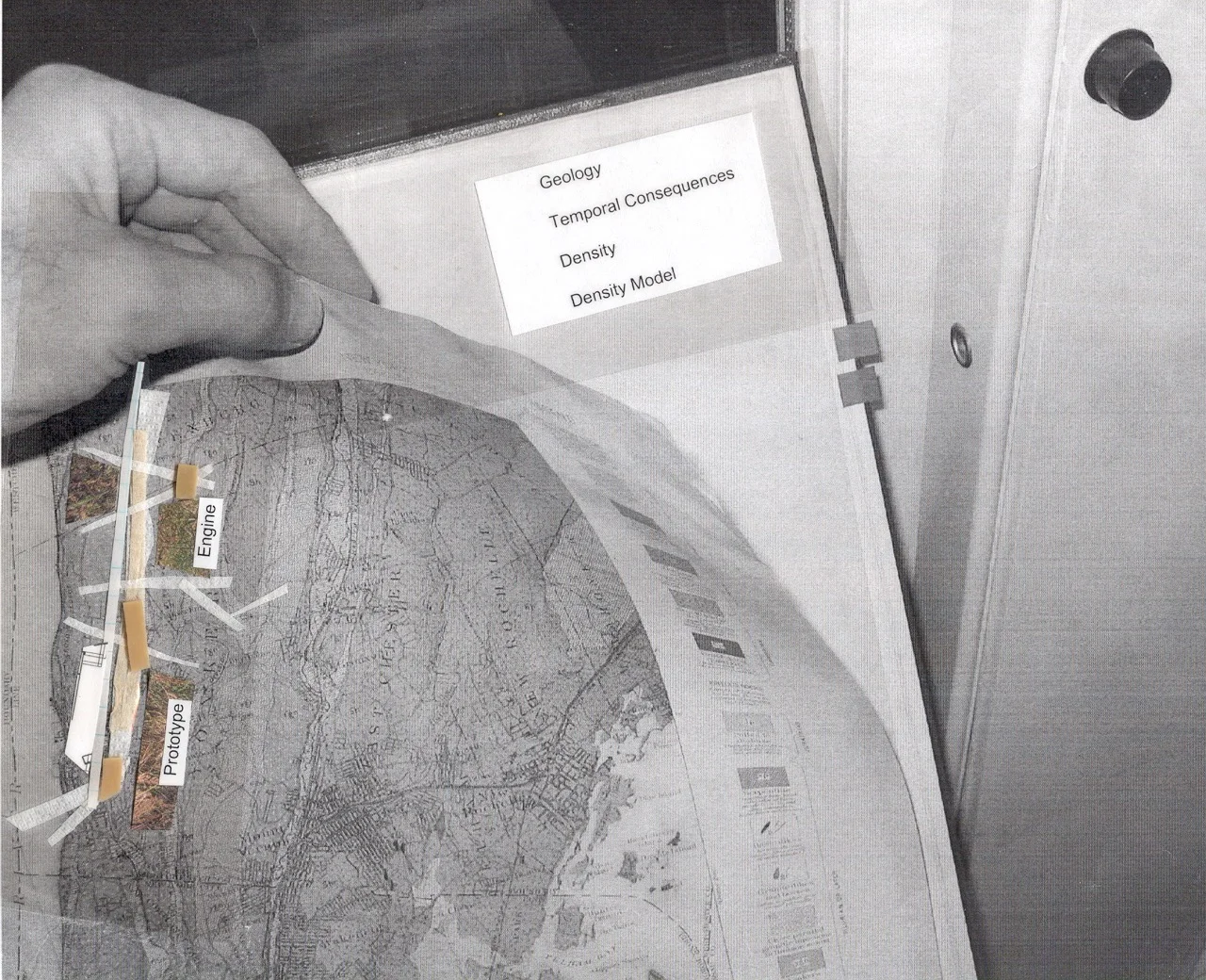
I began examining these ideologies at the large scale, namely the Croton Watershed in Westchester County. I found within my research an existing type of inventory / directory that is currently attempting to protect the Croton Watershed and the land around it.
In Westchester County, approximately 800,000 people drink from this watershed’s 19 reservoirs. This watershed and its aqueducts also serve portions of the great New York area including the city of Manhattan. Looking at this watershed as a commodity, Westchester County has begun to implement a Comprehensive Water Quality Protection Program. Along these lines, the county is working with each of the ten municipalities to identify organizations within their communities showing interest in controlling and maintaining the Westchester County watershed.
Essentially, these organizations are charged with the role of protecting this commodity. They form a type of social network that monitors and absorbs what they need / want and releases what is required when necessary.
They form what I call the Croton Watershed Sponge of Protection.
The Croton Watershed Sponge of Protection is a social network of 115 organizations located within each of the watershed municipalities in Westchester County, New York.
Urban Density Sponge Model
Density = Sponge
If we metaphorically apply the sponge as an urban system “which habitually depends on others for one’s own maintenance” (Sponge Ex. Definition), we can rationalize that density is, therefore, consumption of the urban landscape. So what is it exactly that we consume? We each consume space based on our own individual needs and desires (transportation, health, recreation, goods, services etc.) and so the question one must ask themselves is, if density = sponge, how do you enhance and improve urban density from consumptive actions?
The following actor examples (Suburbs, Public Buildings, Corporations, Vacant Land, Public Land, Transportation) have been set apart from various other consumers as a type of test sample to be examined as a possibility for creating an enhanced urban density from their consumption. By grouping together different social networks and examining their relationships to each other, we can begin to see the way in which urban designers can create new networks of consumption that can give way to positive progress and a new density which connects on a deeper level. With this new density typology, we begin to conserve as well as consume.
Specific Urban Sponge examples included:
The Damage Reduction Sponge: An urban design solution to repair toxic damage along the Saw Mill River
The Renewed Infrastructure Sponge: An urban design that creates new, physical and critical for successful growth connections points and access corridors that renew a large park system (Macy’s Park) into a more cohesive and accessible large-scale public space.
From this research came the idea of a commerce based Urban Sponge system for repair and improvement to various 21st century urban conditions called Damage Reduction Sponge Products.
Damage Reduction Sponge Product Sample Example
Urban Condition Wall: Where residential and industry collide and cannot be shifted, an urban wall is constructed essentially dividing the road to physically separate these opposing conditions. Uses included: sound barrier / noises reduction, vertical green space, visual separator and speed and traffic control.
...